Highlights of the collection
Signatures that made history
A deliberate selection of special pieces – each with a short introduction.
A private collection for almost 60 years
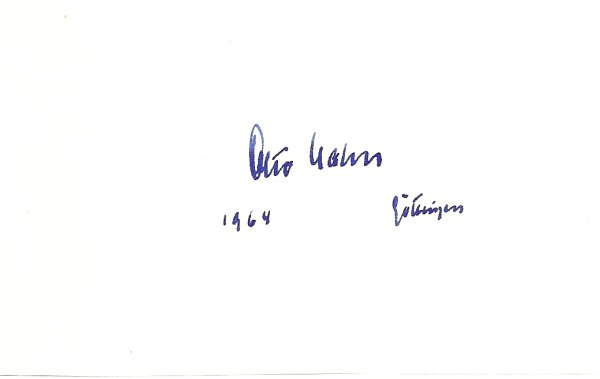
Signatures of personalities from all over the world – from science, literature, politics, the arts and sport. Collected to preserve a piece of cultural heritage for posterity.
“Legibility is the politeness of handwriting.”



Welcome
Dear visitor,
“Legibility is the politeness of handwriting,” the Swiss writer Friedrich Dürrenmatt once observed. That, of course, presupposes that people still pick up a pen at all – and, as studies show, fewer and fewer do. Is handwriting dying out, and with it a piece of our culture? For handwriting, and signatures above all, are an expression of personality.
In everyday life the signature is steadily giving way to technology: letters are replaced by digitally signed e-mails, and we “sign” bank transfers with a TAN. Only the identity card still calls for a handwritten signature – yet here, too, it is surely just a matter of time before fingerprints and biometric data replace it altogether.
And yet there is a unique fascination in tracing the mysterious connection between a person’s character and their handwriting.
For almost 60 years now, I have devoted myself to collecting the signatures of personalities from all over the world, and so preserving a piece of cultural heritage for posterity. Johann Wolfgang von Goethe himself was a passionate collector of autographs, and it was he who said: “Collectors are happy people.” I could not agree more wholeheartedly.
My collection brings together signatures from every field – from industrialists, company founders and inventors to acting, literature, art and architecture, and on to sport, where I limit myself to world champions, Olympic champions and world record holders. Over the years, this has grown into a special passion for autographs of Nobel laureates. Anyone who considers the important research these laureates carried out and the world-changing discoveries they made will readily understand why. Where would humanity be today without penicillin, discovered by chance by Alexander Fleming in 1928/29 and introduced into medicine in 1939 as the first antibiotic? My collection now holds 619 different autographs of Nobel laureates.
For the future, the plan is to make these testimonies of cultural history accessible to a wide public.
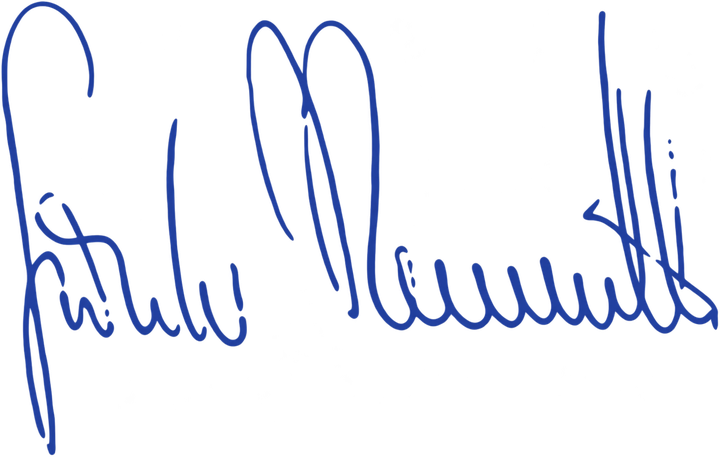 Günter P. Neumüller
Highlights of the collection
A deliberate selection of special pieces – each with a short introduction.
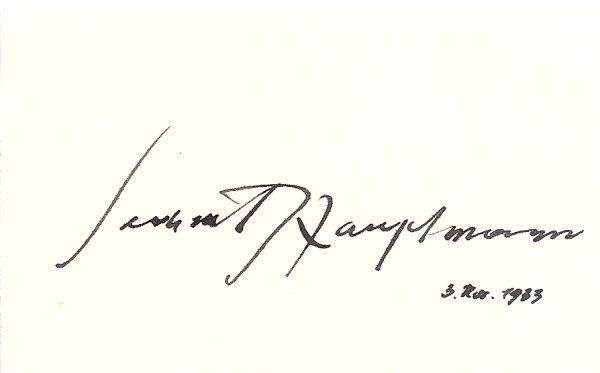 Nobel laureates
Nobel Prize in Literature 1912
Nobel laureatesNobel Prize in Chemistry 1944
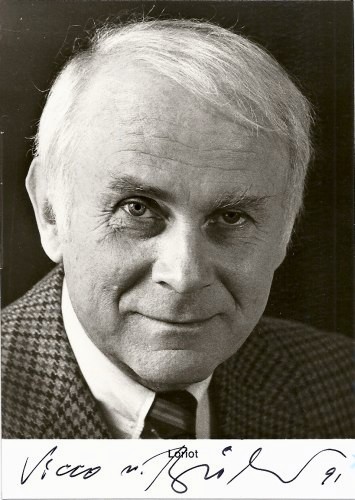 Film, music & stage
With a hand-drawn sketch
 Science & technology
German industrialist, engineer and inventor (1861–1942)
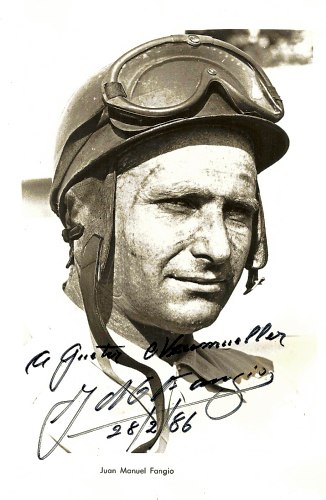 Sport
Argentine racing driver
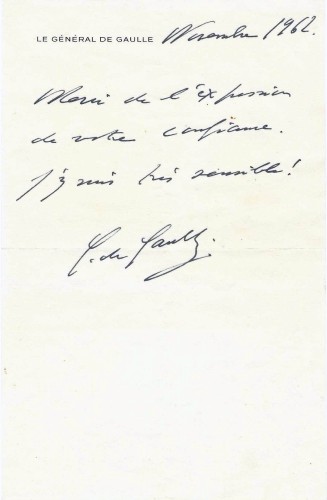 Politics & history
French general and statesman (1890–1970)
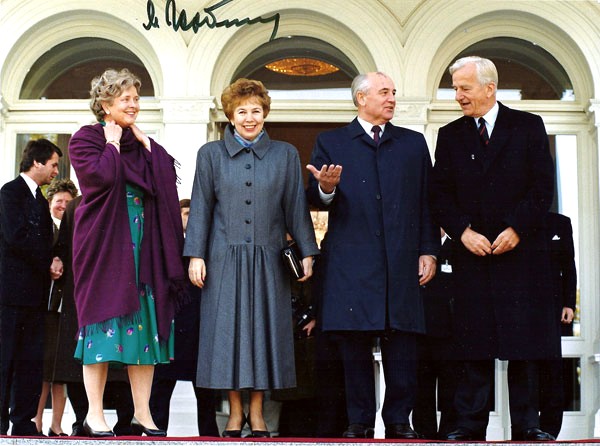 Politics & history
Mikhail Sergeyevich Gorbachev – former President of the Soviet Union
Film, music & stageThe King of Rock ’n’ Roll
Focus of the collection
619autographs of Nobel laureatesBehind each of these signatures lies research or a work that changed the world. Where would humanity be today without penicillin, discovered by chance by Alexander Fleming in 1928 and introduced into medicine in 1939 as the first antibiotic?
In person
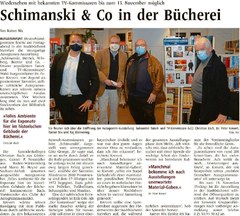
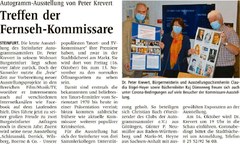
Many autographs were collected at personal meetings – with people from business, sport, culture, science and politics.


Worth reading
In the media
“Collectors are happy people.”